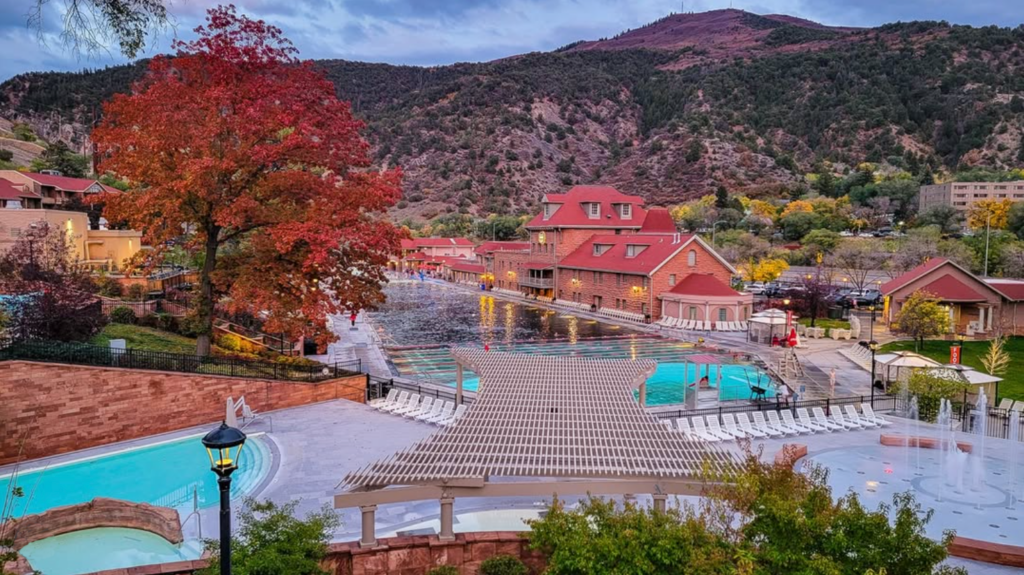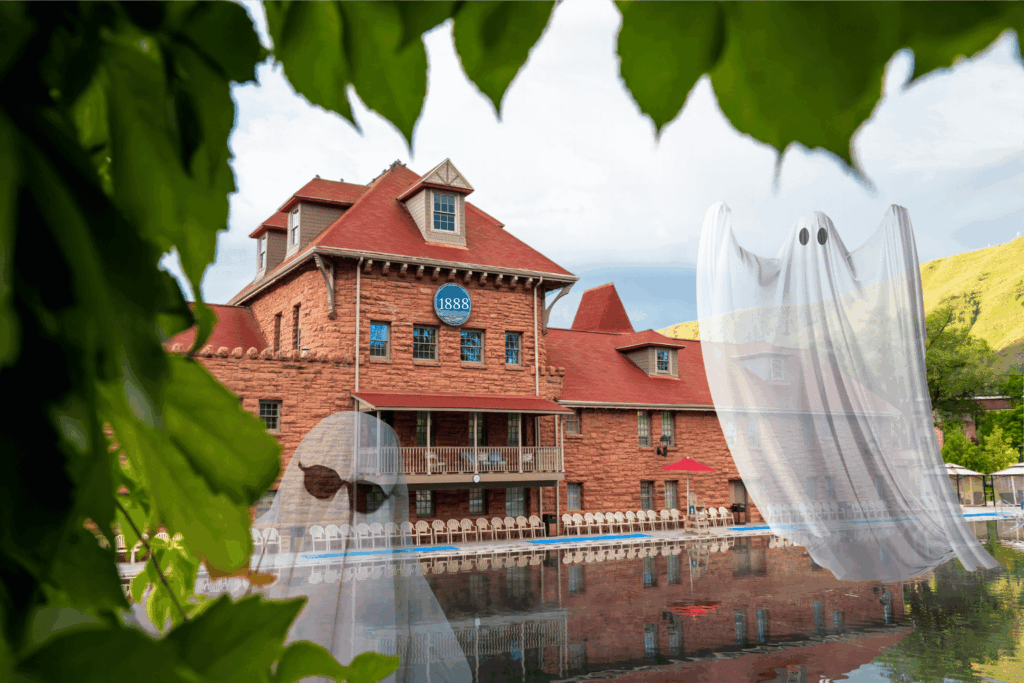
There’s something supernatural about a soak in the historic Glenwood Hot Springs, and it’s not just the healing properties of the naturally occurring minerals. Over our 138 years, many people of note have passed through Glenwood, and the essence of who they were and what they did still lingers. In fact, it’s possible they came to soak right here in the Hot Springs, easing their troubles away or, given some of our past visitors, stewing over something more nefarious.
The Hot Springs have always been a place where the present meets the past. The history of these waters stretches back long before Glenwood Hot Springs Resort opened its doors in 1888. The Ute people have a longstanding connection to these natural hot springs, which were historically used for healing and spiritual purposes, and have sacred significance to this day.
With that important history in mind, and just in time for spooky soaking season, we’re taking a lighthearted look at some of Glenwood’s more notorious historical figures and imagining who among them might have stopped by for a soak after the resort was established.
The next time you come for a swim, if you happen to find a cold spot in the pool, perhaps one of Glenwood’s ghostly figures is enjoying the very same waters as you.
Why did Doc Holliday come to Glenwood Springs?
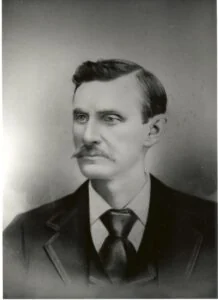
The infamous Doc Holliday, a dentist turned gunslinger at the O.K. Corral Tombstone Shootout, spent the last 57 days of his life in Glenwood. He came to the undeveloped hot springs seeking relief and healing from tuberculosis, but unfortunately it was too late for the 36-year-old outlaw.
On November 8, 1887, he’s said to have asked for a glass of whiskey. Then, looking down at his bare feet, he said, “This is funny,” and died in Glenwood. Although he died before the Glenwood Hot Springs Resort was established in 1888, many tourists are drawn to visit us because of Doc Holliday. Maybe he’s still here at the pools, enjoying a quiet end to his wild life.
President Theodore Roosevelt & the Hotel Colorado
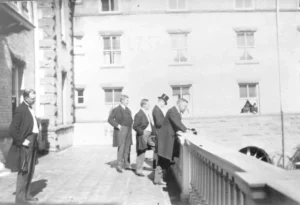
It’s well known that President Roosevelt often stayed at the Hotel Colorado, which was established in 1893. On a three-week trip in January 1901, the then-Vice-President hunted mountain lions near Meeker. It was reported by his guide that Roosevelt hung over a cliff to shoot a wounded lion between the eyes, and that Roosevelt’s first trip to Glenwood Springs delighted him so much that he returned year after year (Hotel Colorado). It’s likely he soaked in the hot springs after long days hunting. Many locals and visitors speculate that maybe his ghost still visits these Colorado waters whenever he can.
President William Howard Taft said What?
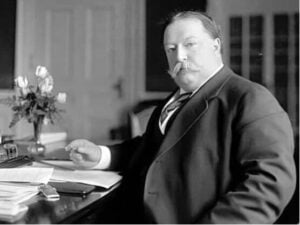
On September 23, 1909, President William Howard Taft arrived in Glenwood Springs. When offered exclusive use of the Hot Springs, it’s said he declined, saying, “I’ve found it’s much better for a man of my size not to bathe in public.” After breakfast, he spoke to 700 people from the Hotel’s “Roosevelt” balcony, which overlooks the Hot Springs (Hotel Colorado). Here’s hoping President Taft felt more comfortable coming for a swim as a specter. Invisibility is great for modesty, we’re sure.
Molly Brown, the “Unsinkable” survivor of the Titanic, takes a swim
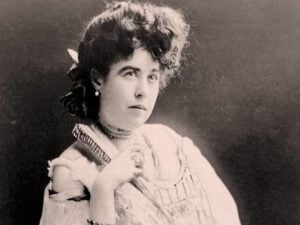
Molly Brown visited the Hotel Colorado and Glenwood often, likely enjoying the social scene. To this day, she’s a beloved heroine in Colorado, known for her philanthropic efforts and heroism during life-saving efforts after the Titanic sank. It’s easy to imagine she came for a soak, taking well-needed time to relax, and enjoyed everything the Glenwood Hot Springs had to offer.
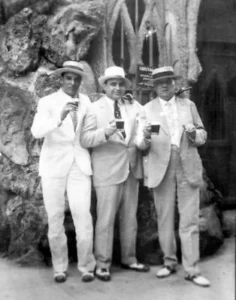
Something’s Stewing at the Springs: Al Capone & “Diamond Jack” Alterie
Prohibition was effective in Colorado from January 1, 1916, to December 1933, shutting down the rowdy saloons, gambling halls, and brothels along Seventh Street. But in 1929, “Diamond Jack” Alterie operated in Glenwood Springs, filling the open position for criminality in town. His criminal record included kidnapping, homicide, burglary, and more. He was known to welcome high-ranking mobsters from his hometown of Chicago to Glenwood, including notorious crime kingpin, Al Capone. What a visual: picture Diamond Jack and Al Capone soaking in the springs, discussing ways around Prohibition (Visit Glenwood).
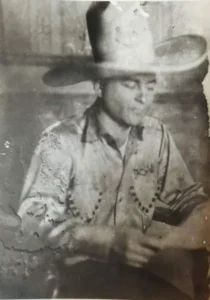
Did “Buffalo Bill” Cody pass away in Glenwood Springs?
In early January 1917, “Buffalo Bill” traveled to Glenwood to visit his doctor and soak in the springs for tuberculosis relief. Instead, he was told he had less than two weeks to live (History Colorado). He died 10 days later in Denver.
The last known photograph of Buffalo Bill was taken outside the Hot Springs Stone Bath House, near his doctor’s office in Glenwood just days before his death, capturing him upright in his coat despite being gravely ill.
Has anyone studied how healing minerals work for spectres? Perhaps they’re enjoying a little more healing luck in the afterlife.
Take a swim through time with Glenwood’s Ghosts
It is a little spooky to consider how many people might have come to Glenwood to heal maladies like tuberculosis and liver disease (we’re sure pre-Prohibition has nothing to do with that). Fast forward to modern-day: research suggests that soaking in warm mineral waters such as ours can offer some pretty wonderful health benefits, from easing muscle tension and improving circulation to reducing stress and promoting relaxation.
Glenwood Springs has always been a place with plenty of stories to tell, and Glenwood Hot Springs Resort has been part of many of them. More than a century later, the same mineral waters continue to welcome visitors from all walks of life.
And the next time you’re here for a soak, don’t be too quick to assume that the empty spot beside you is really empty. After all, some of Glenwood’s most legendary guests may have never quite checked out.